Our Team

Katalin Bálint (Director of VU Storylab)
Katalin E. Bálint is an Associate Professor of Media Psychology at Vrije Universiteit Amsterdam (VU Amsterdam). Her research examines the psychological impact of audiovisual storytelling, with a focus on how formal features (such as shot scale, camera angle, etc), structural components shape viewers’ emotional and cognitive engagement with the story and its characters. Using a combination of experimental and qualitative methods she investigates narrative engagement, theory of mind, and empathy in relation to filmmaking choices. With a background in Psychology and Film Studies, she bridges cognitive science and storytelling practice, and explores applications with societal value.

Cynthia Cabañas
Cynthia Cabañas is a postdoctoral researcher in the Department of Communication Science at Vrije Universiteit Amsterdam (VU Amsterdam). She studied Psychology at the Complutense University of Madrid and completed an MA in Clinical Neuropsychology at Camilo José Cela University. She subsequently pursued a dual Master’s programme in Brain and Mind Sciences at University College London (UCL), Sorbonne University (UPMC), and École Normale Supérieure (ENS). In 2024, she received her PhD in Psychology (Film Cognition) from Birkbeck, University of London, and she recently completed an MA in Film and Television at Universidad Carlos III de Madrid. Her research investigates how film narratives influence cognitive processes in neurotypical and neurodiverse populations, and how formal film features shape these processes. She currently explores whether narrational complexity can be used as an accessible tool to support the cognitive and affective capacities needed to engage with real-world complexity.

Gaya Yona
Gaya Yona is a PhD candidate in the Department of Communication Science at Vrije Universiteit Amsterdam (VU Amsterdam). She studied Film Studies and Psychology at Tel Aviv University, where she also completed a Master’s degree in Clinical Psychology. Her interdisciplinary background connects media studies with psychological research. Her work explores how complex narrative structures in film and television may influence how people perceive and process real-world complexity. She investigates whether narrative engagement can enhance cognitive and emotional processing, with a particular focus on whether engagement with narrational complexity can foster cognitive flexibility and tolerance for ambiguity.

Giulia Scapin
Giulia Scapin is a postdoctoral researcher at University College Dublin (UCD) on the project “Investigating Fictional Representations of Child Sexual Abuse (CSA) in Contemporary Culture: Myths and Understanding” (CSAReps). She holds a Bachelor’s degree in Psychology and Cognitive Science, a Master’s degree in Neuroscience, and a specialization in Educational Technologies from the University of Trento (Italy), and has professional experience in academic publishing through her work at Erickson. In October 2025, she defended her joint PhD dissertation between the Department of Communication Science at Vrije Universiteit Amsterdam (VU Amsterdam) and the University of Haifa, titled Reading the Unexpected: The Role of Foregrounding Processing in Readers’ Experiences. She is an active member of the International Society for the Empirical Study of Literature (IGEL).
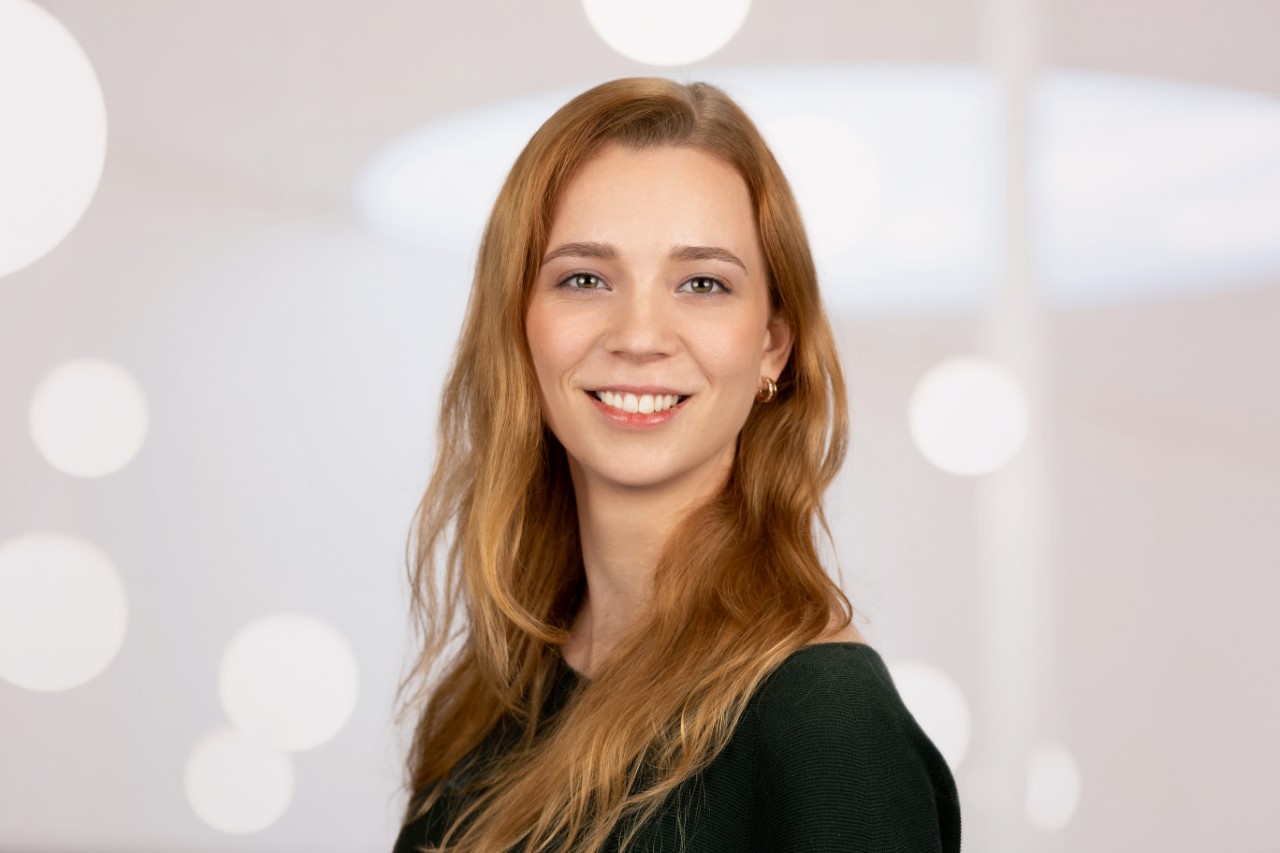
Tess Lankhuizen
Tess Lankhuizen is a researcher at Vrije Universiteit Amsterdam (VU Amsterdam) and is nearing the completion of her PhD, which examines how visual formal features of Hollywood film influence audience empathy and narrative engagement. She holds an MA in Cognition and Communication from the University of Copenhagen (2017). She currently works as a lecturer at the University of Amsterdam, where she teaches courses on media effects and media representation. Her research interests include the interplay between form, content, and audience engagement across narrative media; the effects of minority representation in entertainment media on minority and majority audiences; and creator–audience interaction in digital media environments. Her expertise focuses primarily on film, and also includes animation, comics, and prose.